In short
- Side daylight plus a white card as a reflector covers 80% of photo quality.
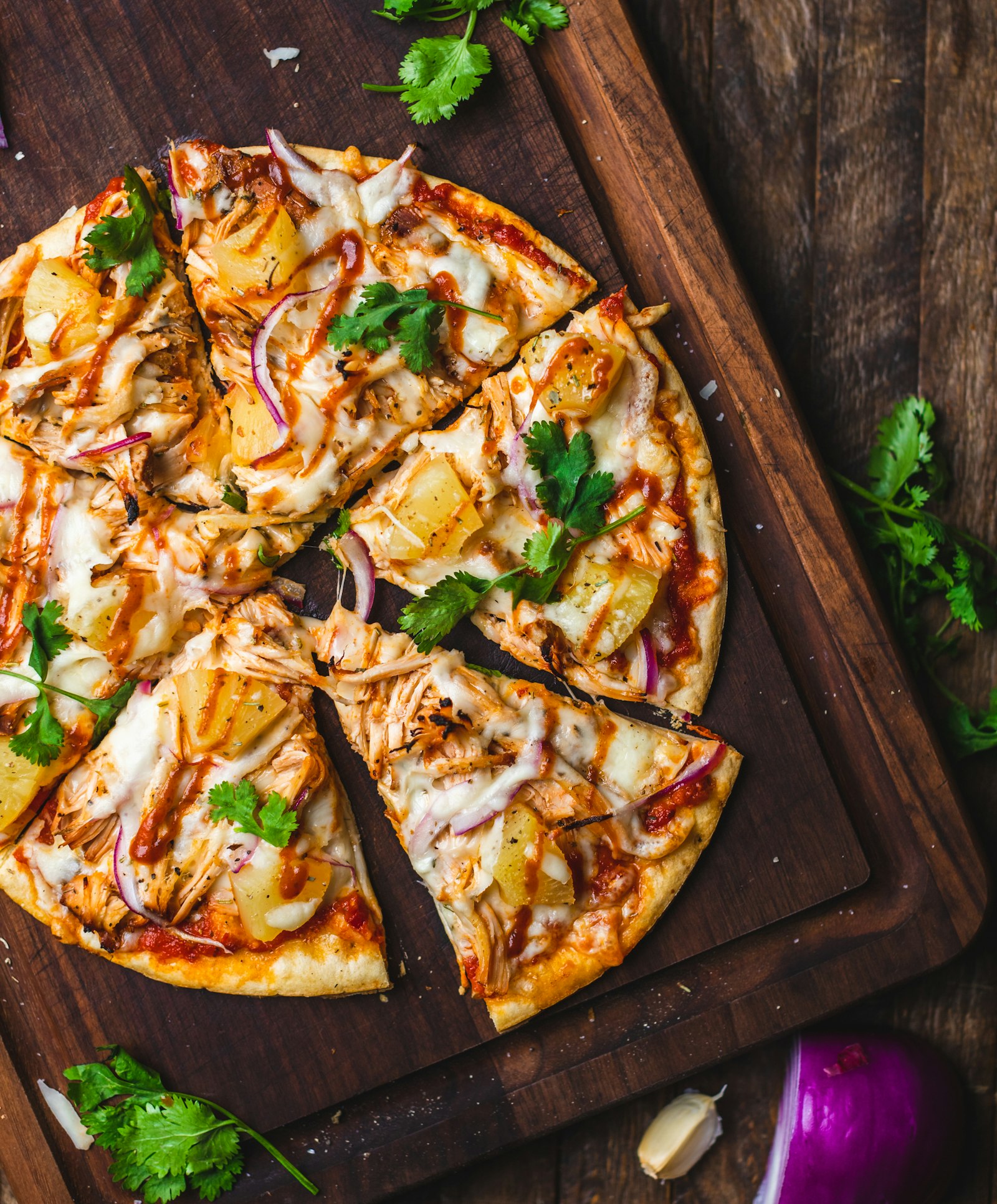
- Match the angle to the dish: pizza from above, burgers at table height, pasta at 45°.
- Shoot 10–15 dishes in one session rather than one at a time — it saves time and keeps the look consistent.
- The photo has to match what the customer receives. A gap between photo and reality generates complaints.
An online menu item without a photo sells noticeably worse than one with a photo. It is the cheapest conversion optimisation available to you — and it can be done with the phone in your pocket.
Light: the one thing you cannot cut corners on
- Window to the side, not behind you. Side light builds texture: you can see the cheese, the sauce, the crunch of the coating.
- Never use flash. A flat, cold photo with glare on the grease looks worse than no photo at all.
- A white A4 sheet on the other side of the plate lifts the shadows. It is the cheapest light modifier in the world.
- Switch off the fluorescents above the station while shooting — mixed light sources give a green cast you cannot fix afterwards.
- Between 10am and 2pm at a north-facing window you get the most even light all year round.
Angle: match it to the height of the dish
| Dish | Angle | Why |
|---|---|---|
| Pizza, bowl, salad | 90° from above | Composition and coverage are what matter |
| Burger, sandwich, tall dessert | 0–15° at table height | Shows the layers and the height |
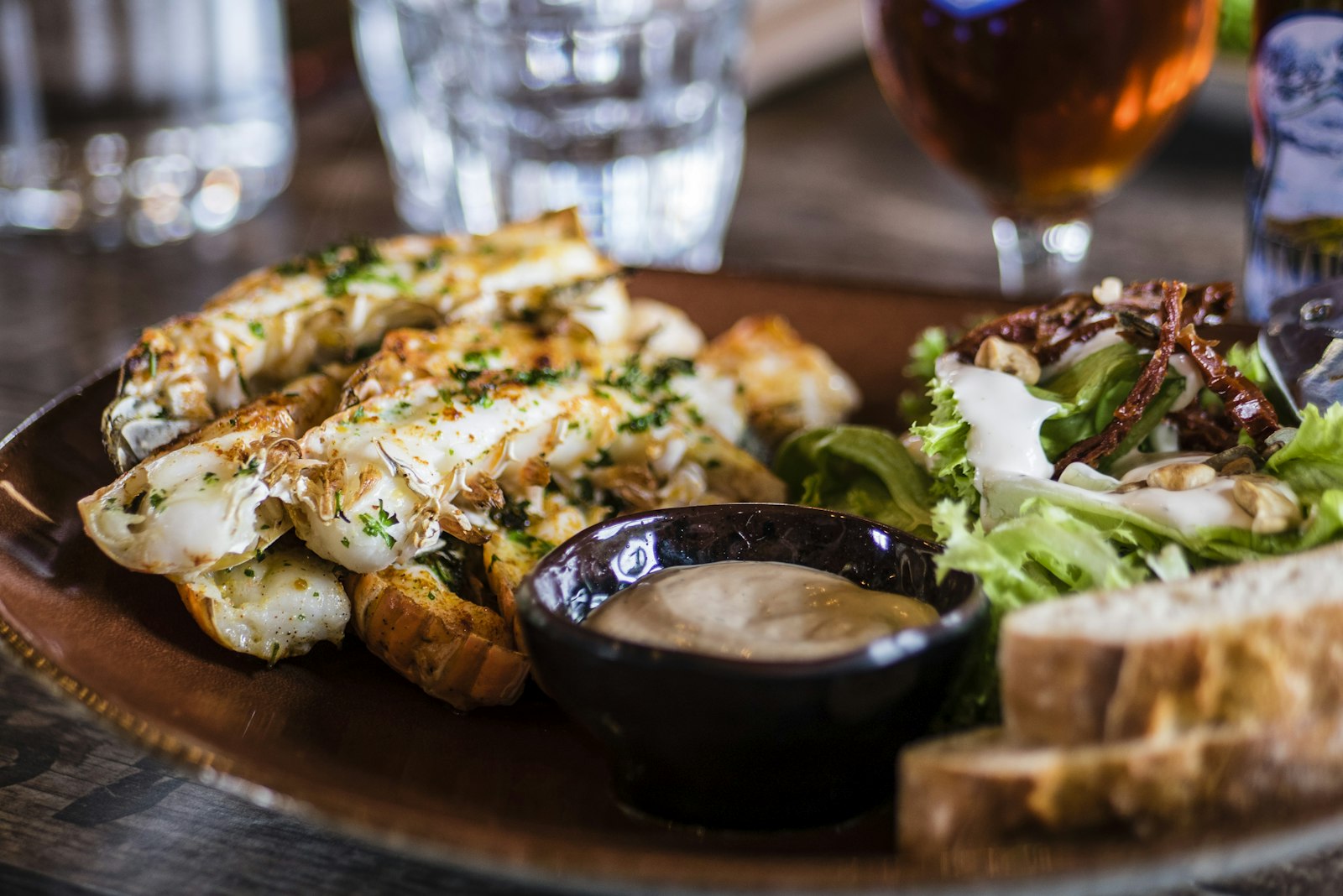
| Pasta, soup, saucy dishes | 45° | Shows depth and consistency |
| Drinks | 0–20° | Shows colour and ice |
Framing and phone settings: five rules
- Turn on the grid in your camera and place the dish slightly off centre.
- Shoot square or 4:5 — those ratios work best in menus and on social.
- Tap the brightest part of the dish and pull the exposure down slightly. Blown-out cheese cannot be rescued.
- Do not use digital zoom. Step closer — digital zoom is just cropping with a loss of quality.
- Leave margin around the dish. The frame will be cropped to different ratios in the menu, the carousel and your Google profile.
Styling in three moves
- 1
Shoot fresh, not pretty
A dish has 3–4 minutes before the cheese sets and the salad wilts. Set the frame up before the kitchen plates it.
- 2
Add one contextual element
A fork, a napkin, an ingredient beside the plate. One, not five — the rest is distraction.
- 3
Wipe the rim of the plate
A smear of sauce on the edge reads far more strongly in a photo than in real life.
Editing: less is more
A phone and its built-in editor are enough. In order: straighten the frame, lift brightness and contrast gently, add a touch of sharpness, correct white balance if the shot went yellow. Do not push saturation beyond a few percent — oversaturated food looks artificial and suspicious.
Finally, the technical part for online menus: export at 1200–1600 px on the long edge, WebP or JPG, under 300 KB. Photos straight off a phone camera can weigh 5 MB and add seconds to menu loading on mobile — costing you exactly the conversion they were meant to improve.
A plan for one session a week
- 1Pick 10–15 items from your bestseller list that do not have photos yet.
- 2Set the background up by the window during off-peak hours, on a Tuesday or Wednesday.
- 3The kitchen plates dishes one at a time, every 3–4 minutes. You take 5–8 shots of each.
- 4In the evening pick one photo per dish and edit them all in the same style.
- 5Upload them to the menu and your Google profile the same day.
Four sessions like this and you have a complete, consistent photographed menu — with no invoice for a photo shoot and no waiting for a photographer's free slot.
Upload the photos and watch conversion move
In Dinevo you add photos to menu items in seconds, and the system prepares lightweight mobile versions for you.
See how it worksFrequently asked questions
Is it worth hiring a photographer?
For hero dishes and brand material — yes, once a year. For keeping the menu topped up, a phone is better: no waiting for a slot, and you can update a photo the day the recipe changes.
How many photos does an online menu need?
Start with your 20 bestsellers, then fill in the rest. Consistency of style and background matters more than completeness.
Can I shoot in the evening?
You can, but you need one soft light source from the side — an LED lamp with a diffuser for a few dozen złoty will do. The important part is switching the other lights off so colours do not mix.

About the author
Adrian Tański
CEO & Founder, Dinevo
10 years in tech, previously CTO at a delivery startup. Writes about online sales and local marketing.